Safer Gambling Week Resources for UK MMA Bettors
 Available in US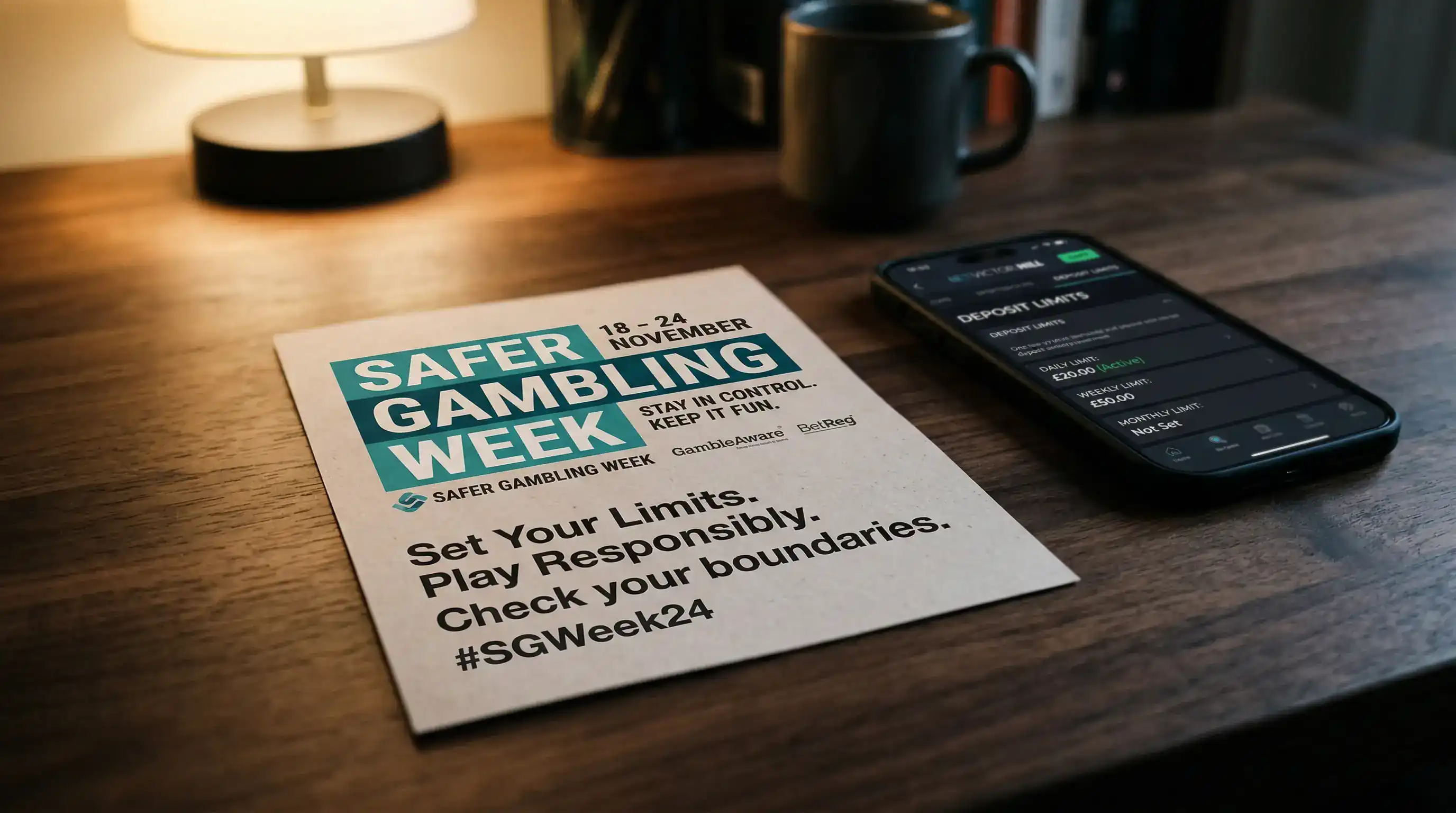
Utilizing BGC Campaign Tools During Safer Gambling Week
A mate rolled his eyes when I mentioned Safer Gambling Week last November. “That’s just the bookmakers pretending to care for seven days a year, isn’t it?” The honest answer is: yes, partly. It is coordinated industry PR funded by the Betting and Gaming Council as part of their public-affairs strategy. It is also the one week of the year when every UK-licensed operator actively surfaces responsible-gambling tools, deposit-limit prompts run at their most visible, and specific retention-focused mechanics get paused in favour of genuine customer-protection messaging. Both things are true. Dismissing the campaign because of the PR element misses the practical tools it makes unusually accessible.
The BGC chief executive captured the campaign’s institutional framing at the 2026 launch: “Safer Gambling Week has gone from strength to strength, with last year’s record-breaking campaign showing just how powerful a united, cross-sector effort can be.” The corporate language is industry-standard. What sits behind it is an annual cross-operator coordination that, whatever its marketing motivations, produces one week per year when UK bettors can act on responsible-gambling tools with minimal friction and maximum visibility.
This piece covers the origin and scope of the UK campaign, what 2026 specifically includes, what deposit-limit uplift and messaging the week delivers, and the specific practical actions UK MMA bettors can take during the campaign that are harder to complete during the other 51 weeks. The broader responsible-gambling framework sits in the piece on UK MMA betting regulation and responsible gambling; this piece focuses on the annual campaign that sits inside that framework.
The Origins of the UK Campaign
Safer Gambling Week began in 2017 as an industry-initiated awareness campaign, funded and coordinated by the BGC along with its member operators. The initial design was modest — a week of branded messaging across bookmaker websites and retail locations, timed to coincide with a quieter period in the UK sporting calendar. The campaign grew steadily across the late 2010s as the UKGC encouraged industry engagement with responsible-gambling messaging and as public pressure for gambling-harm prevention intensified.
The campaign’s positioning has shifted across its lifespan. Early iterations focused heavily on harm-awareness messaging — “know the signs”, “take a break” — directed primarily at customers who might already be developing problem-gambling indicators. More recent iterations have expanded to include prevention-focused messaging aimed at the broader low-risk population, with content around staking discipline, deposit-limit setting and realistic expectations about gambling outcomes. The shift tracks the broader regulatory trajectory toward upstream prevention rather than downstream harm management.
The BGC’s role as campaign organiser deserves context. The BGC member operators collectively contribute £6.8 billion to the UK economy, generate £4 billion in UK tax revenue, and support 109,000 jobs. That scale gives the organisation significant resources to fund coordinated campaigns, and it also gives the campaign a distinctly industry-friendly tone compared with NHS or Gambling Commission-led messaging. Safer Gambling Week is effectively the industry’s preferred framing of responsible-gambling conversations, run in parallel with more restrictive regulator messaging throughout the year.
UK gambling policy has evolved substantially around the campaign’s timeline. The 2023 White Paper reforms, the 2025 Gambling Levy Regulations imposing a 1.1% statutory levy on online operator GGY, the October 2025 deposit-limit prompt requirement, and the April 2025 slot-stake limits all form the regulatory backdrop against which Safer Gambling Week now runs. The campaign has adapted to sit within that regulatory environment rather than against it, which is why the 2026 messaging feels more integrated with statutory measures than earlier iterations did.
2026 Dates and Announced Themes
Safer Gambling Week 2026 runs across a five-to-seven-day window in November, consistent with the campaign’s historical scheduling. The exact 2026 dates were announced by the BGC in April 2026 with lead-up activity starting approximately two weeks before the main week and follow-up content extending into December.
The 2026 theme announcements focused on three areas. Deposit-limit awareness, building on the 31 October 2025 regulatory prompt that now requires every new UK account to be offered limit-setting before first deposit. Cross-operator consistency, recognising that many UK bettors hold accounts at multiple sportsbooks and that responsible-gambling tools operate at operator level rather than across the industry. And workplace-focused messaging, which is a newer addition expanding the campaign’s reach beyond direct consumer outreach into employer-mediated awareness programmes.
The cross-operator consistency theme is particularly relevant for UK MMA bettors because UFC event calendars concentrate betting volume across a small number of weekends per year, and bettors who use multiple books to chase best prices often lose track of their aggregate exposure across accounts. The campaign messaging in 2026 specifically encourages limit-setting at each operator an individual uses, which is a concrete action UK MMA bettors can complete during the campaign week across their full account portfolio.
The broader theme continuity from prior years includes staking discipline messaging — keeping bets within planned budgets rather than escalating through a session — and time-management content around betting session lengths. These are not new ideas but they get unusual visibility during Safer Gambling Week, with operator interfaces surfacing session-timer notifications and break-reminder prompts that are less prominent during normal periods.
Deposit-Limit Uplift, Realistic Messaging
The operational impact of Safer Gambling Week on UK sportsbook interfaces is measurable. Operators surface deposit-limit settings more prominently during the week, with banner messaging on homepages, account-dashboard prompts at login, and occasionally incentivised limit-setting campaigns that offer small promotional rewards for setting or reducing limits.
The deposit-limit prompt itself — the 31 October 2025 regulatory requirement that applies to every new UK account — operates year-round now regardless of campaign timing. What Safer Gambling Week adds is visibility for existing accounts that were either opened before the prompt rule took effect or that skipped the prompt at signup. Customers who have been betting for years without deposit limits see campaign messaging encouraging limit-setting on their existing accounts, which is an action the regulatory framework does not actively prompt outside the campaign window.
The 2.7% problem gambling rate captured by the Gambling Survey for Great Britain 2024, alongside the 3.1% moderate-risk and 8.8% low-risk categories, informs the segmentation of campaign messaging. High-risk-targeted content emphasises GAMSTOP, NHS helplines and immediate intervention tools. Moderate-risk content emphasises deposit limits, time breaks and session management. Low-risk content emphasises general staking awareness and expectation management. The tiered messaging is more sophisticated than it used to be, partly because the GSGB segmentation gives the BGC a clearer framework to calibrate content against.
One specific operator behaviour during the campaign week worth noting for UK MMA bettors: some operators reduce or temporarily suspend welcome-bonus marketing during Safer Gambling Week, replacing acquisition-focused content with responsible-gambling messaging. The suspension is not universal across the industry and not always complete even at participating operators, but it does mean that new-account sign-ups during the campaign week carry slightly less aggressive upsell pressure than at other times. If you have been considering opening an account at a specific UK operator, the campaign week can be a quieter time to do so with fewer promotional hooks pulling at onboarding.
Practical Actions for MMA Bettors That Week
The honest list of what a UK MMA bettor can actually do during Safer Gambling Week, beyond reading the campaign messaging, is short and specific. Each of these actions is available year-round but materially easier to complete during the campaign.
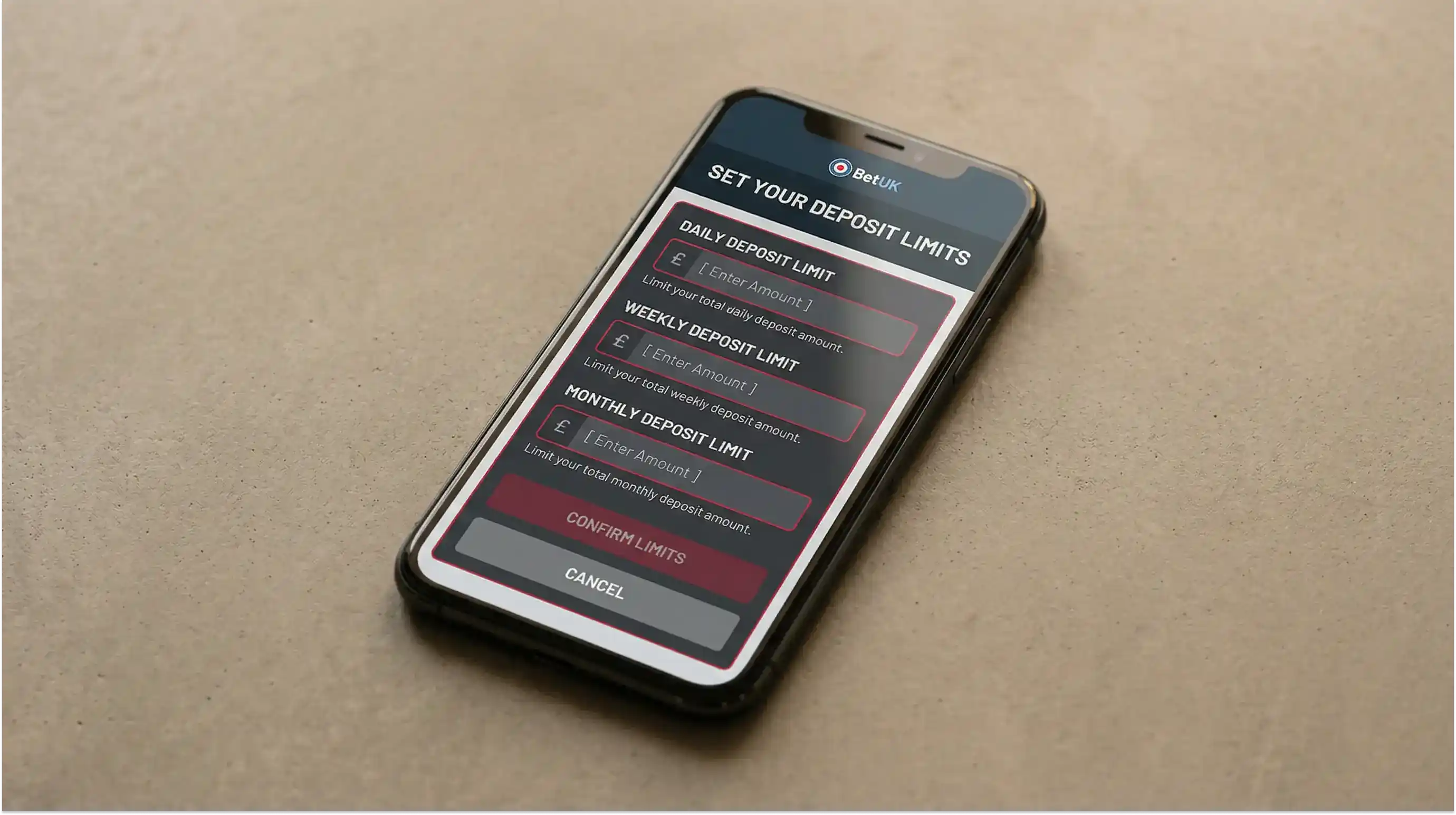
Set deposit limits across every UK operator you hold an account at. The campaign surfaces the settings and operators are culturally pressured to make the process frictionless during the week. Aim for a nested structure — daily, weekly and monthly limits that reinforce each other — at levels you were willing to lose on the monthly view. The piece on deposit limits on UK MMA betting sites covers the mechanics of setting these properly.
Review your betting history across the previous 12 months on each account. Most UK operators provide a full transaction history in account settings; during the campaign week the tools to export or summarise this data are more prominently surfaced. The honest review covers total deposits, total withdrawals, net P&L, and the concentration of losses across specific card weekends. Seeing the aggregate data against your mental model of how much you have been betting usually produces a useful reset, regardless of whether the aggregate is positive or negative.
Engage with self-assessment tools if you have any concern about your own betting behaviour. Each operator and the Gambling Commission itself offers PGSI-based self-assessment questionnaires that score your responses against the problem-gambling thresholds. Completing one takes five minutes and gives you an independent read on where you sit in the risk distribution. The GSGB’s 2.7% problem gambling rate includes people who do not know they score 8+ on PGSI; the self-assessment is the fastest way to know whether you are in or near that category.
Consider family or workplace conversations about your betting activity during the week. This sounds uncomfortable because it is, but the 22.5 million UK adults who gamble monthly often do so without their immediate social circle knowing the scale or frequency of the activity. Talking about it — even at a factual level about the amounts you bet and win or lose per year — produces accountability that algorithmic tools cannot replicate. The campaign provides cultural cover for these conversations in a way the other 51 weeks do not.
The campaign is not a substitute for year-round discipline. It is, at best, an annual maintenance window when the infrastructure is unusually visible and accessible. Using it properly means actioning the specific tools — deposit limits, history review, self-assessment, conversation — that are structurally harder to action during normal operator activity, and then carrying the decisions forward into the 51 weeks that follow. Whatever you think of the PR motivations behind the week’s existence, the tools work when they are used.
Do UK bookmakers still accept Safer Gambling Week sign-ups after the campaign ends?
Yes. The responsible-gambling tools surfaced during Safer Gambling Week — deposit limits, session timers, self-assessment questionnaires, GAMSTOP enrolment — operate year-round on every UK-licensed operator. What the campaign week specifically provides is concentrated visibility and lower friction for actioning the tools. Setting a deposit limit on any UK operator account is available every day of the year; Safer Gambling Week just makes the action easier to find.
Is there independent evidence Safer Gambling Week reduces harm over 12 months?
Evidence on long-term harm reduction from the campaign specifically is limited and contested. Academic reviews have found short-term uplift in deposit-limit setting during campaign weeks but less evidence of durable behaviour change beyond the first few weeks after the campaign. The campaign’s broader value sits in awareness-building rather than direct harm reduction, which is one reason NHS and UKGC-led initiatives focus on different measurement frameworks for assessing effectiveness.
Created by the ”mma Betting Online” editorial team.