UK UFC Betting Laws and Gambling Commission Regulations
 Available in US
Verifying Operator Compliance for Legal UFC Betting
A mate messaged me the morning of UFC London last March asking, in all seriousness, whether he would “get in trouble” for putting a fiver on Tom Aspinall. Eleven years covering this market and I still get that question more than any other. So let me cut through it in one line: yes, betting on UFC fights is legal in the UK for anyone aged 18 or over, provided you are placing your wager with a bookmaker holding a UK Gambling Commission licence.
That short answer is correct — but it is doing an enormous amount of work. The legality does not live in the act of betting itself. It lives in the licence held by the operator you are betting with. The UK currently has 2,179 licensed gambling operators on the UKGC register as of the most recent industry snapshot, and only those are legally permitted to take your stakes. Offshore sites accepting UK customers sit outside that perimeter, and the legal exposure there cuts in a very specific direction — which we will come to.
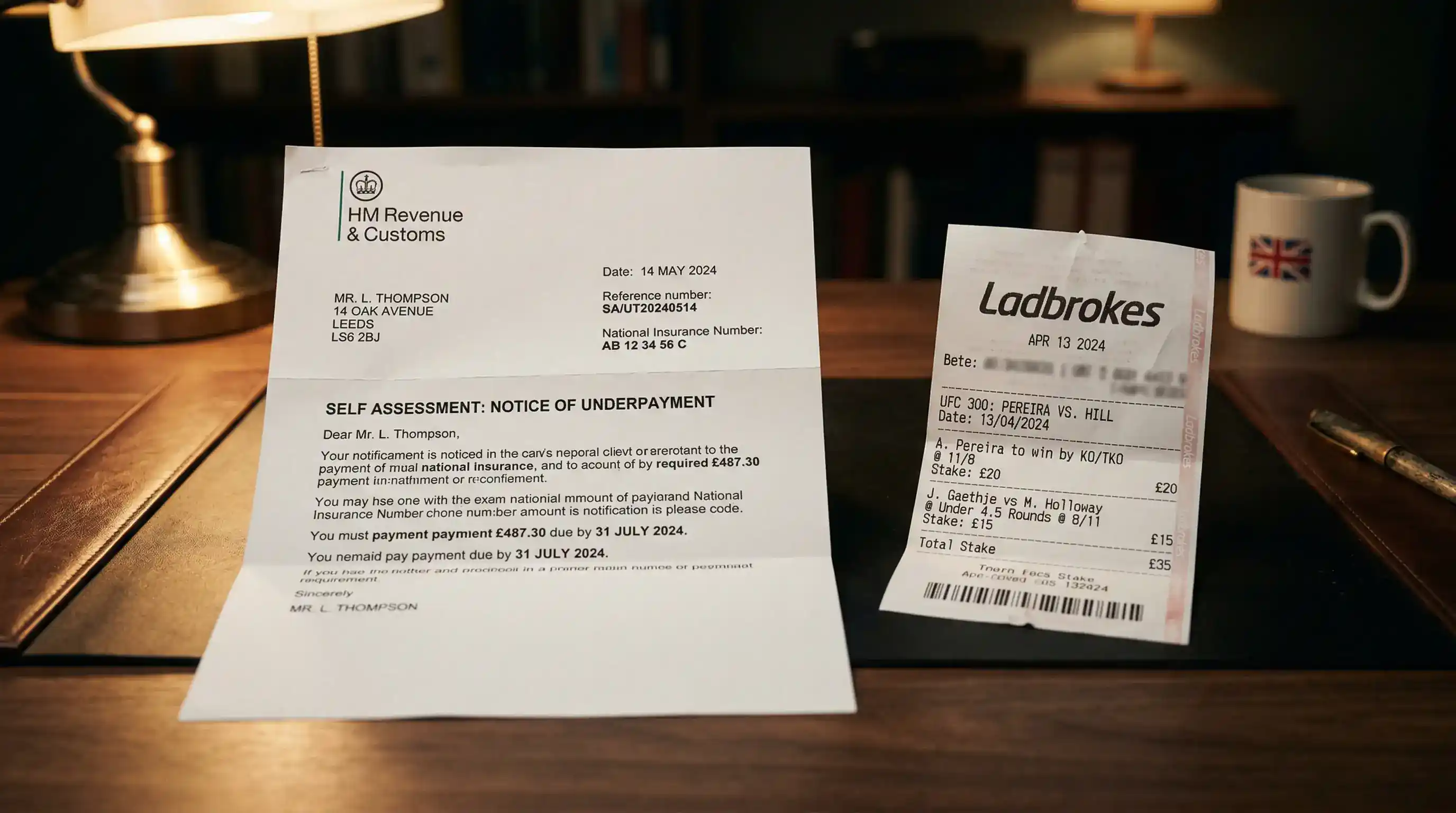
The other thing people get wrong is conflating legality with taxation. You do not pay any income tax on your UFC winnings in the UK. That has been the settled position since the Betting and Gaming Duties Act 1981 and it has not changed. I cover that in more depth in the piece on how UK betting winnings are actually taxed, because the duty system sits with the operator, not you. For now, park it: legality is about the operator’s licence, not your tax return.
The Gambling Act 2005 and What It Covers
I keep a battered paper copy of the Gambling Act 2005 on my desk. It is the single most misquoted piece of legislation in British betting journalism. The Act is what made it lawful for remote operators to serve UK customers at all — before it, the online sportsbook market was a grey-zone improvisation of Gibraltar-licensed sites and Channel Islands outfits. The Act dragged everything onshore, set up the Gambling Commission as the regulator, and created the three licensing objectives that every operator still has to meet today.
Those objectives are worth memorising because they underpin every enforcement case that has hit UK headlines since. Preventing gambling from being a source of crime or being associated with crime. Ensuring gambling is conducted in a fair and open way. Protecting children and other vulnerable persons from being harmed or exploited by gambling. If you want to understand why your new-account verification took a day, why your stake was suddenly capped, or why a bookmaker blocked your mate on GAMSTOP from opening a fresh account, it traces back to one of those three lines.
The Act covers remote gambling — that is the technical term for anything you do on a website, app, phone or any other electronic device. MMA and UFC betting sit squarely inside remote sports betting as defined by the Act. There is no special carve-out for combat sports, no extra licence a bookmaker needs to accept UFC bets specifically. If an operator holds a general remote sports betting licence from the UKGC, UFC and MMA markets are automatically within scope. The same goes for Bellator, PFL, KSW, Oktagon and Cage Warriors — all lawful to bet on, all within the licence, all subject to the same consumer protection rules.
One subtlety the Act does carry: the rules apply to the point of consumption. In other words, it does not matter where the operator’s servers or headquarters sit physically. If they are taking a bet from someone located in Britain, they need a UKGC licence. This was tightened up by the Gambling (Licensing and Advertising) Act 2014, which closed the old loophole where Gibraltar-based firms claimed they did not need a British licence because their infrastructure was offshore. That door is bolted shut. An operator with no UK licence accepting UK bets is operating unlawfully, full stop.
Age, Residency and Geolocation Rules
Walk into a Ladbrokes on a Saturday lunchtime and the person behind the counter will look twice at anyone who seems remotely young. Online, the age gate is less theatrical but no less rigorous. The hard legal floor is 18. No 17-year-old can lawfully place a UFC wager with a UK-licensed operator, and no licensed bookmaker can accept one without facing licence action. The UKGC has hit operators with six-figure settlements for failing to catch underage sign-ups; the regulator treats age verification as the bright line it is.
Verification in practice means a licensed site must confirm your age and identity before you can deposit, bet or withdraw. Not after your first win. Not before your first withdrawal. Before the first bet. The Licence Conditions and Codes of Practice — everyone calls them LCCP, and you will see the term a lot if you dig into this world — tightened this to “before gambling” several years ago, and it has held. Most UK operators run the check automatically using electoral roll and banking data; if that passes cleanly you are gambling within minutes. If it does not, you will be asked for photo ID and proof of address, and the account is frozen until you provide them.
Residency is slightly more interesting. You do not have to be a British citizen to open a UK betting account. You do have to be physically in Great Britain at the point of placing the bet — Northern Ireland has its own Order but in practice is aligned — and the operator has to confirm it. Geolocation technology is the workhorse here: IP addresses, GPS on mobile, payment-method country of issue. If you travel to Spain and try to place a UFC bet on your UK app, the app will in most cases refuse the bet outright. I have had this happen in airport lounges more times than I can count.
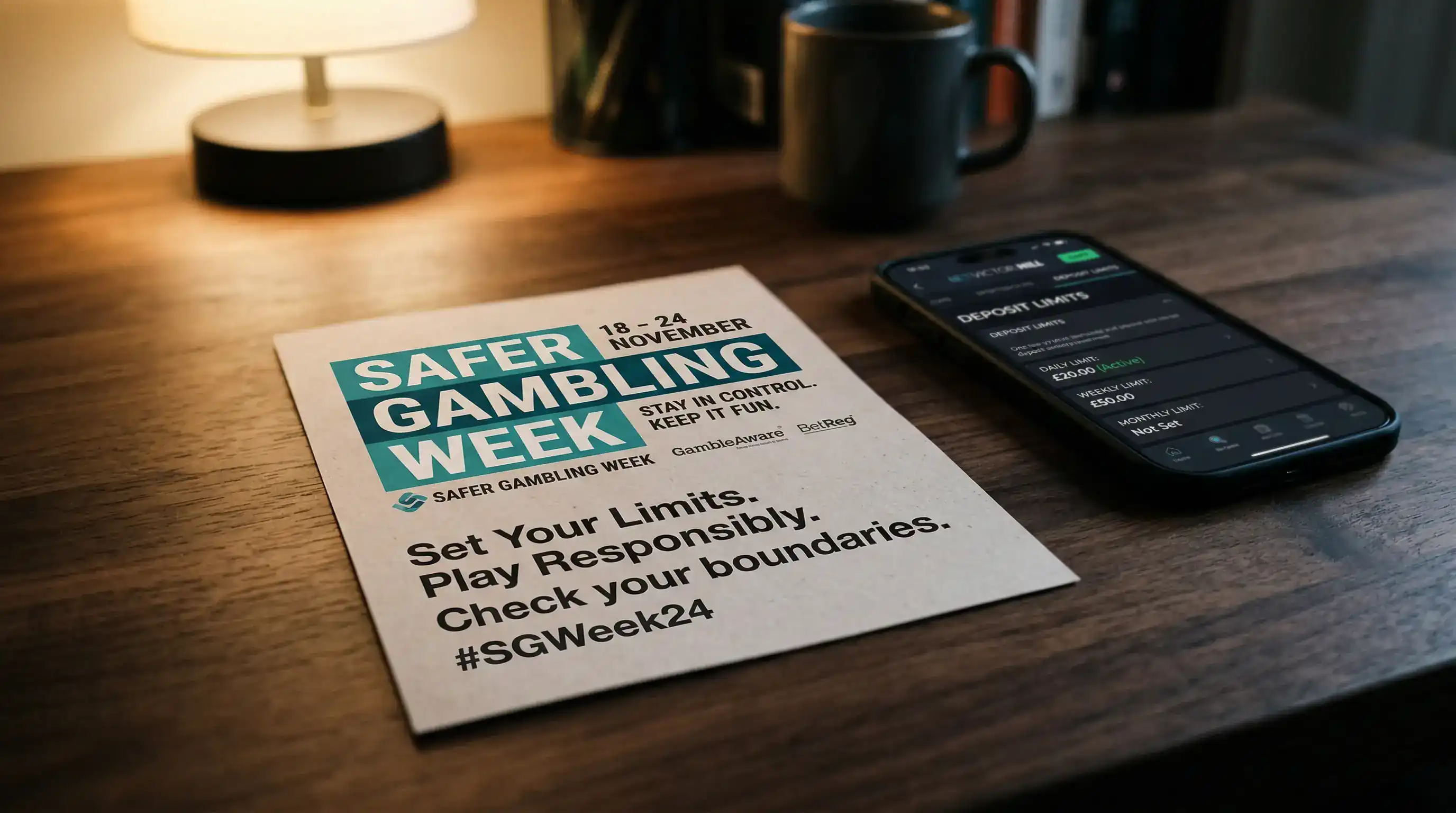
The deposit-limit prompt that went live on 31 October 2025 is the newest wrinkle. Every UK operator must now prompt a new customer to set a financial limit before taking a first deposit. You can skip it, but the prompt has to appear and has to be easy to accept. It is a soft-touch control rather than a hard cap, but it is now part of the legal ritual of opening an account. More on how that feels in the guide to UK deposit limits on MMA betting sites.
Offshore MMA Sites Targeting UK Residents: The Risk
This is the section that pays the rent. You will see offshore operators — Curaçao-licensed, Kahnawake-licensed, sometimes completely unlicensed — aggressively targeting UK MMA bettors with higher welcome bonuses, crypto deposits and zero KYC. I understand the appeal on paper. In practice, the risk is asymmetric and it is not the one most people think it is.
The legal exposure, first. Under the Act, the offshore operator is committing the offence by taking your bet without a UK licence. As a UK consumer, placing that bet is not criminalised on its own. Nobody has been prosecuted for punting on an offshore UFC site. What you lose is the entire protective apparatus of UK regulation. Your funds sit in a jurisdiction where the operator can freeze them, refuse to pay a winning slip, or simply disappear — and the UKGC has no jurisdiction to help. The commission’s public line on this is unambiguous: if you gamble with an unlicensed operator you do so entirely at your own risk. Practically translated, you have no complaints route, no independent alternative dispute resolution, no chargeback appeal through the UK payments system that will stick.
One industry observer put the broader British market into context recently, pointing out that 22.5 million people in the UK enjoy a bet each month and that just 0.4% of adults are problem gamblers on the NHS’s clinical survey measure. The regulated space is enormous and functioning; there is no consumer case for going outside it for MMA markets that every UK operator already covers.
The second risk is banking. UK banks increasingly block deposits to unlicensed gambling domains under their anti-money-laundering obligations. You can deposit with crypto on some of these sites, but withdrawing a five-figure win in crypto and converting it back to sterling triggers AML reporting at the UK exchange side. I have had three emails this year from readers stuck in exactly that loop — their offshore bookmaker paid, the crypto exchange held the funds pending a source-of-funds check, and the operator would not provide the supporting documentation because, naturally, the operator was avoiding UK visibility in the first place.
The third risk is GAMSTOP evasion. Offshore sites explicitly market themselves as “not on GAMSTOP” to UK residents who have self-excluded. That is the use case they are built for and it is the one that does real harm. If you have ever self-excluded, or you are supporting someone who has, offshore MMA betting is not an edge-case risk; it is the trap.
What 2025 Changed About Legality, Not Just Permissions
People sometimes think 2025 was a minor permissions update. It was not. Several pieces moved into primary law rather than regulator guidance, and that matters because a breach now carries statutory consequences rather than discretionary fines.
The statutory levy took effect on 6 April 2025 under the Gambling Levy Regulations 2025. Online operators now pay 1.1% of their GGY to a fund earmarked for research, prevention and treatment of gambling harms. The expected size of the 2025/26 fund is £90 million to £100 million. That is not a tax on you — individual UK bettors never pay gambling taxes — but it is a material change to the operator cost base, and some of that is feeding through into margins on the markets you bet on. Baroness Twycross, the minister for gambling, called the levy “a watershed moment” when the regulations passed. She was not exaggerating; the voluntary contribution system it replaced was broken for a decade.
Slot-stake limits at £5 per spin for over-25s and £2 per spin for 18-to-24-year-olds arrived on 9 April 2025. These are slot rules, not sportsbook rules — they do not affect UFC wagers directly — but they sit in the same LCCP document and signal the direction of travel. The deposit-limit prompt on 31 October 2025 is the piece that touches MMA bettors most directly. And light-touch financial vulnerability checks, triggered at a net deposit of £150 per month, now apply across the industry.
None of this makes UFC betting less legal. It makes the ring-fence around legal UFC betting considerably firmer. A UK-licensed sportsbook in 2026 is a substantially more regulated product than it was in 2023. Use the regulation; it exists to protect the market you are participating in.
Is it legal for UK residents to use offshore MMA betting sites?
Placing the bet is not criminalised for you, but the operator is committing an offence by accepting it without a UKGC licence. You lose all UK consumer protections, dispute-resolution rights and banking safeguards. The practical risk sits entirely with you.
Can 18-year-olds legally bet on UFC fights in the UK?
Yes. The legal minimum age for all UK gambling is 18. A licensed operator must verify your age and identity before accepting your first deposit, and accounts for anyone under 18 are unlawful regardless of parental permission or apparent maturity.
Written by the editors at mma Betting Online.