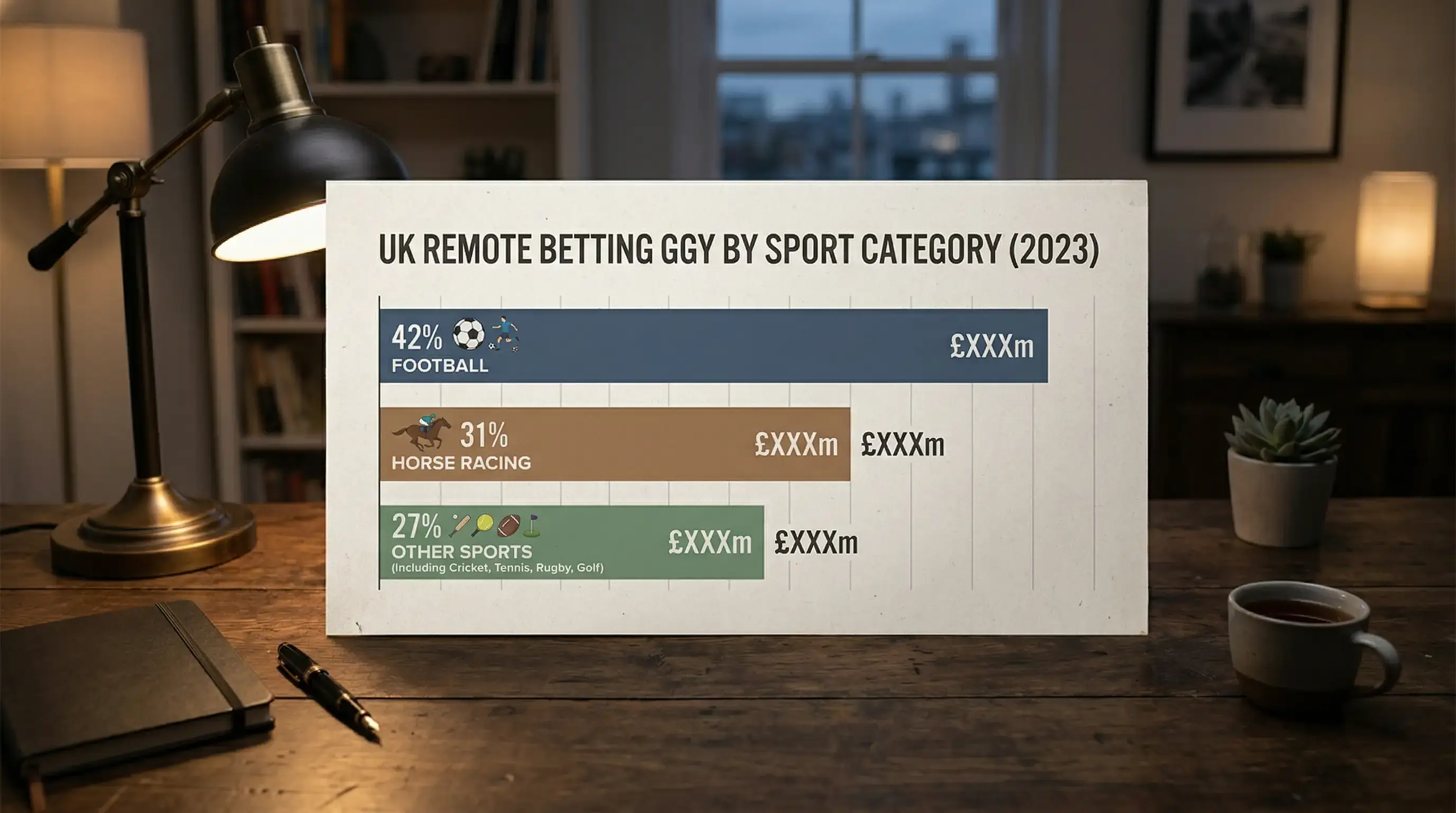
MMA Acca Insurance and UFC Accumulator Refunds
 Available in US
Meeting Minimum Leg Rules for MMA Acca Insurance
I watched a mate lose a five-fight UFC accumulator last summer to a single spinning back elbow in round three of a prelim. “At least I’ve got acca insurance,” he said. Two hours of reading terms later, we established that he did not, in fact, have acca insurance on that slip — because the losing leg was priced at 1.40 and the minimum qualifying odds were 1.50. He got nothing back.
Acca insurance is the single most aggressively advertised sportsbook promotion in the UK after welcome bonuses, and it is the one that most often fails to deliver when the moment comes. The concept is simple: if your accumulator loses by a single leg, the operator refunds your stake. The execution is a thicket of minimum-legs, minimum-odds, eligible-markets and refund-form clauses that turn the marketing into something much narrower. A lot of British MMA bettors treat the insurance as a given when they build a multi-fight slip. It is not. It is a narrowly defined refund mechanism that pays only when every single clause lines up.
Worth stating plainly: acca insurance is a retention product, not a strategy tool. It is the bookmaker’s way of keeping you slipping the next card after you lose this one. Used carefully it can marginally reduce the variance on your accumulator exposure. Used as an excuse to build bigger, more speculative slips, it will cost you money on net.
How Acca Insurance Works on UK MMA Slips
The standard UK acca insurance offer refunds your stake if your accumulator loses by exactly one leg. Lose two legs and you get nothing. Lose the lot and you get nothing. The refund is usually capped — £10, £20, sometimes £25 on the better offers — and it comes as a free-bet token rather than cash. The token then carries its own expiry and minimum-odds rules for wagering.
The mechanics assume a specific slip structure. Most UK offers require a minimum of four or five legs in the accumulator, all at qualifying odds. The qualifying-odds threshold per leg is usually 1.50 or higher, so a 1.40 prelims favourite does not count even if every other leg clears. Each leg must settle — if a fighter pulls out and the fight is void, the slip typically reprices to the remaining legs and the insurance may or may not still apply, depending on the specific terms. If the slip reprices below the minimum-legs threshold, the insurance falls away.
One industry PR note from last spring’s UKGC online-yield commentary captured the commercial context nicely: “Obviously, for bookmakers, it was a Cheltenham to remember. It’s very rare that so many well fancied shots get beaten, so there was definitely no moaning from our side.” That is the principle acca insurance is built on. Books expect accumulators to lose on average — which is why they can afford to refund the occasional one-leg-down slip without a dent in their margins. Your insurance does not break that expectation; it is priced into the offer.
The refund itself is usually credited within 24 hours of the slip settling, though some operators wait until the final fight of the card has settled even if the insurance trigger has already locked in. A couple of UK books still refund acca insurance in cash rather than free-bet tokens, but they are the minority and the terms change annually. Assume free-bet form unless the specific offer explicitly says otherwise.
Two operators, William Hill and Bet365, hold over half of UK sports-betting paid-click share in the current market, and their acca insurance terms set the template most smaller books copy. Read the template once and you can evaluate almost any UK acca insurance offer in about three minutes.
Minimum Legs, Minimum Odds, Eligible Markets
The three knobs that decide whether your insurance actually triggers are minimum legs, minimum odds and eligible markets. Each is worth understanding in detail because the interactions are where most slips fall out of coverage.
Minimum legs is the simplest. Four and five are the two common thresholds. A four-leg minimum is more generous — easier to hit, more slips qualify — but the refund cap tends to be lower. Five-leg offers usually have higher caps but require more selections, and the probability of losing by exactly one leg drops as the slip gets longer. Seven-leg and ten-leg slips with acca insurance exist but the “exactly one leg down” condition becomes so improbable that the promotion is essentially decorative. The sweet spot for MMA bettors building genuine accumulators is four or five legs at a cap between £20 and £25.
Minimum odds per leg is where discipline meets the small print. 1.50 is the most common threshold, but some offers push it to 1.75 or even 2.00. A 1.50-per-leg four-fold has cumulative odds of at least 5.06 — not a huge payout target — but it excludes the 1.40 favourites that make up a chunk of UFC main-event lines. If you are building a slip that includes a heavy favourite at a short price, check whether that leg can be included in the slip at all for insurance purposes. Some operators will count the slip as ineligible overall if any single leg is below the qualifying threshold. Others will let the slip qualify but exclude the short-priced leg from the “exactly one down” count — which is worse than it sounds because if the short-priced leg is the one that loses, the refund does not trigger.
Eligible markets is the clause that catches MMA bettors hardest. Moneyline fights are almost always eligible. Method of victory is sometimes excluded. Round betting is often excluded. Bet builders within the accumulator are usually excluded, as are system bets, each-way (not applicable here but referenced in the general terms), and any settled legs that were cashed out. In practice this means a “pure moneyline” five-fold is the slip that most reliably qualifies for acca insurance across all UK books. The moment you start adding method-of-victory legs or bet-builder components, you are in eligibility-check territory and you need the terms page open.
The probability picture supports this. Roughly 72% of UFC moneyline favourites win, which means a five-fold of moderate favourites at qualifying odds has a real chance of cashing and an even bigger chance of losing by exactly one leg. That is the mathematical sweet spot acca insurance is built for. The moment you skew toward underdogs or method markets, the slip dynamics change and the insurance becomes harder to trigger usefully.
Free Bet Refunds vs Cash Refunds
A £20 refund in cash is worth £20. A £20 refund in free-bet tokens is worth about £10 to £14 to a disciplined bettor, depending on how you use it. This matters because almost all UK acca insurance refunds come as free bets.
Why the discount? Free bets are typically stake-not-returned — the bookmaker keeps the stake when the bet wins and pays only the profit. On a 2.0 evens bet, a £20 real-money stake returns £40 total; a £20 free-bet stake returns £20 of pure profit. The free-bet structure is already covered in more depth in the piece on how UK UFC welcome bonuses actually deliver value, and the logic is identical here. A free-bet token is not equivalent to cash and should not be evaluated as if it were.
Cash refunds on acca insurance do exist. They were more common five years ago; they are now rare but not extinct. The offers that use them are usually framed as “refund in cash” or “money back as cash, not free bet” somewhere in the terms. If you see that language, the insurance is genuinely worth its face value. If you do not see it, assume free-bet form and discount the value accordingly when deciding whether to build the slip at all.
Maximum refund caps also matter more than they look. A £10 cap on a £50 stake means your effective insurance is 20% of the slip value. The other 80% of your stake is still at risk. Building a £50 accumulator with £10 of insurance is functionally a £40 uninsured slip plus a £10 cashback credit that may or may not land. Price the decision accordingly.
Is Acca Insurance Ever Value for a UK MMA Bettor?
Short answer: sometimes, and only under specific conditions.
Acca insurance is value when three things line up. You were going to build the accumulator anyway, at roughly the same stake, without the insurance. The slip structure naturally fits the qualifying terms — four or five legs at 1.50-plus, on eligible markets. The refund comes in cash, or you have a clear use for the free-bet token that would not otherwise have existed. If all three hold, the insurance is a genuine positive-expected-value add-on. The book is subsidising a small portion of your variance and you are not distorting your slip to earn it.
Acca insurance is not value when it drives slip construction. Building a five-fold instead of your planned three-fold so that the insurance kicks in is exactly the behaviour the offer is designed to trigger. You are now staking more money on a lower-probability outcome in exchange for a capped, stake-not-returned refund on a single failure mode. The expected-value maths rarely supports that trade. Flat-stake models on individual UFC fights outperform accumulator-heavy approaches over meaningful sample sizes, and the 30% underdog upset rate in UFC fights — compared with 12% “pick ’em” fights — means MMA accumulators carry meaningfully more variance than people account for.
The honest summary is this. Acca insurance is a useful friction-reducer on accumulators you were building anyway. It is a trap on accumulators you build because of it. The UK books that offer it know exactly which side of that line their average customer sits on, which is why the promotion exists in the first place.
Does UK acca insurance cover MMA co-main events specifically?
Most UK acca insurance offers are market-based rather than card-position-based, so a co-main event moneyline leg qualifies the same as any other fight on the slip. The restriction that tends to catch co-mains out is the minimum-odds clause — co-main favourites priced shorter than 1.50 fall below the qualifying threshold on many offers.
Can I combine MMA and football legs in a single insured accumulator?
Yes on most UK books, provided each leg meets the minimum-odds threshold and comes from an eligible market. Mixed-sport accumulators qualify for acca insurance on any UK operator that offers the promotion without a sport-specific restriction, and in practice almost none of them are sport-restricted. The minimum legs and minimum odds per leg still apply across the combined slip.
Written by the editors at mma Betting Online.